How Modern Dental Implants Restore Your Ability to Enjoy Crunchy and Chewy Foods Again
Rediscovering the Pleasure of Eating Without Compromise
The simple joy of biting into a crisp apple or savouring a perfectly cooked steak is something many people take for granted until tooth loss makes these experiences difficult or impossible. Missing teeth create significant challenges when it comes to eating, affecting not only nutritional choices but also social confidence and overall quality of life. Fortunately, modern dentistry has developed sophisticated solutions, such as dental implants Hawthorn, that can genuinely transform how people experience food once again.
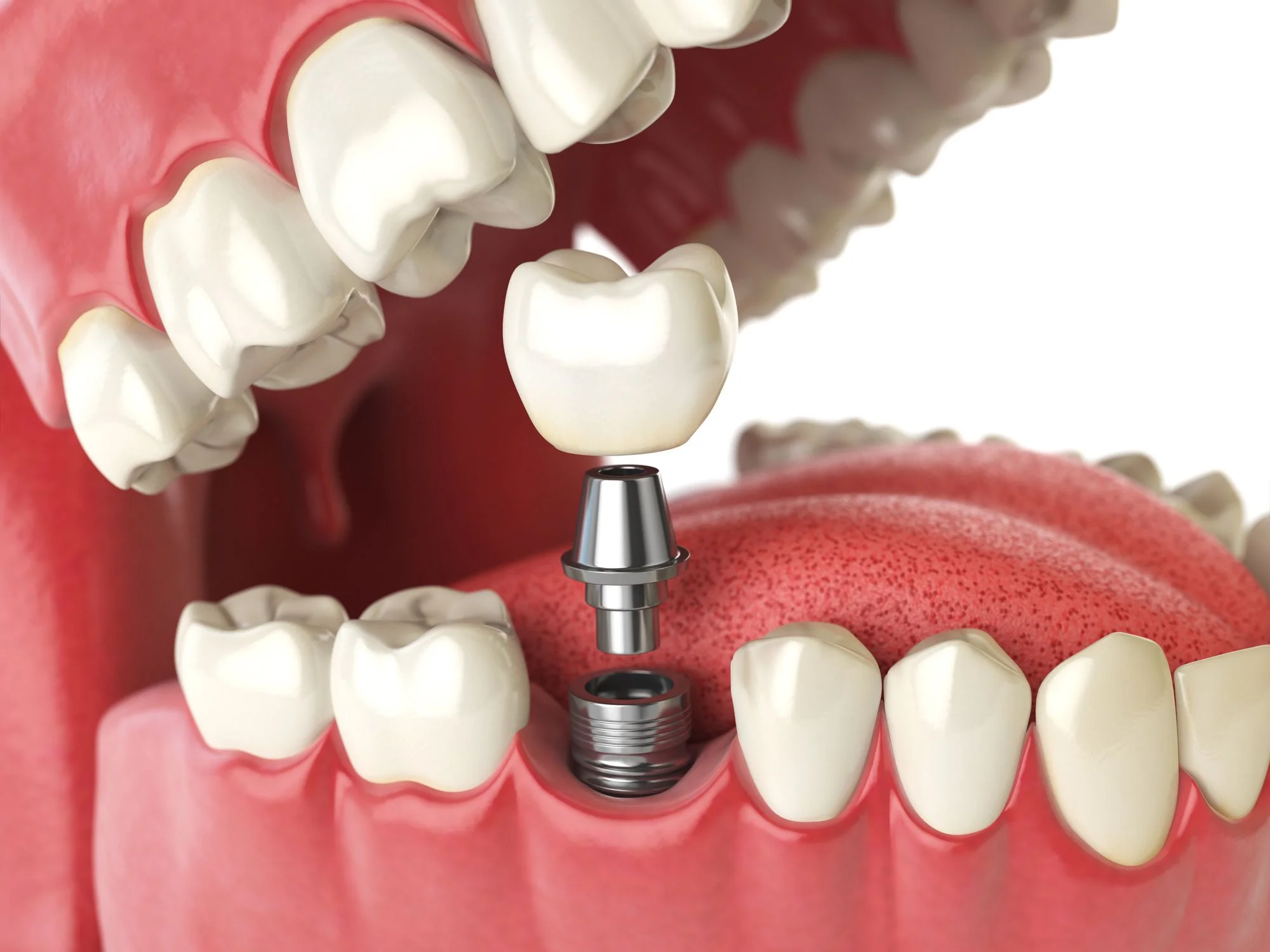
Dental implants represent a remarkable advancement in restorative dentistry, offering a permanent solution that closely mimics the function and feel of natural teeth. Unlike traditional dentures or bridges, implants integrate directly with the jawbone, creating a stable foundation that can withstand the forces required for chewing tough, crunchy, and chewy foods. This integration process, known as osseointegration, allows the titanium post to fuse with the bone over several months, creating a remarkably strong and durable anchor for the replacement tooth.
Understanding How Implants Differ From Traditional Solutions
Traditional dentures rest on the gums and rely on adhesives or suction to stay in place, which can create limitations when eating certain foods. Many denture wearers find themselves avoiding foods they once enjoyed, concerned about displacement or discomfort. Partial dentures and bridges, whilst more stable than full dentures, still don’t provide the same level of security and function as implants.
The key advantage of dental implants residents and patients elsewhere have access to lies in their structural design. By replacing both the root and crown of the tooth, implants distribute biting forces throughout the jawbone in much the same way natural teeth do. This means patients can apply the pressure needed to bite through crusty bread, chew tender meat, or crunch into raw vegetables without worry.
The Science Behind Successful Implant Integration
Osseointegration and Bone Health
The success of dental implants relies heavily on the biological process of osseointegration. When a titanium implant is placed into the jawbone, the body recognises it as biocompatible and begins to grow bone tissue around it. Research into implant success rates has shown that this process creates an incredibly strong bond, often lasting for decades with proper care.
Factors Contributing to Long-Term Success
Several factors contribute to the longevity and functionality of dental implants. Adequate bone density at the implant site is crucial, as this provides the necessary support for the titanium post. Patients with insufficient bone mass may require bone grafting procedures before implant placement. Additionally, good oral hygiene practices and regular dental check-ups play a vital role in maintaining the health of the surrounding gum tissue and preventing complications such as peri-implantitis.
Modern implant technology has seen remarkable improvements in design and materials, contributing to impressive success rates across diverse patient populations. These advancements mean that more people than ever before are suitable candidates for implant treatment, even those who might have been turned away in the past due to bone loss or other concerns.
Rebuilding Confidence at the Dinner Table
Beyond the physical restoration of chewing ability, dental implants offer profound psychological benefits. Many people with missing teeth or unstable dentures develop anxiety around eating in social situations, worried about embarrassing moments or visible gaps. This can lead to social withdrawal and a diminished quality of life. Implants eliminate these concerns, allowing individuals to eat confidently in any setting.
The ability to enjoy a varied diet also has significant nutritional implications. When people can comfortably eat fresh fruits, vegetables, nuts, and lean proteins, they’re more likely to maintain a balanced diet that supports overall health. This connection between oral health and general wellbeing cannot be overstated, as studies consistently demonstrate the positive outcomes associated with successful implant treatment.
Looking Forward to a Life Without Dietary Restrictions
The journey to receiving dental implants involves several stages, from initial consultation and planning through to final restoration. Whilst the process requires patience and commitment, the results speak for themselves. Patients consistently report that the ability to eat without restriction is one of the most valued outcomes of their treatment.
Modern dental implants represent more than just tooth replacement—they offer a pathway back to normalcy, allowing people to rediscover the simple pleasures of eating without worry. From that first satisfying crunch of a fresh carrot to the confidence of dining out with friends, implants restore not just function, but joy to mealtimes once again.