IPTV Technology Delivering Better Entertainment Freedom Across Smart Devices
Television habits shifted once streaming entered homes. Cable boxes now feel restrictive in portable viewing freedom. Smart screens connect people through faster, personalized entertainment choices. During travel, viewers continue favorite programs without changing subscriptions. Families also prefer flexible access across multiple connected displays. An IPTV FULL GUIDE often clarifies these modern viewing advantages.
Streaming Access Feels More Personal Today
Traditional broadcasting follows rigid schedules with limited viewer control. IPTV platforms respond instantly through internet-based content delivery systems. Sports fans replay missed moments without recording separate broadcasts beforehand. Parents pause cartoons while handling household interruptions during evenings. Unlike satellite systems, IPTV adapts across changing screen environments.
- Multi-room access through single subscriptions
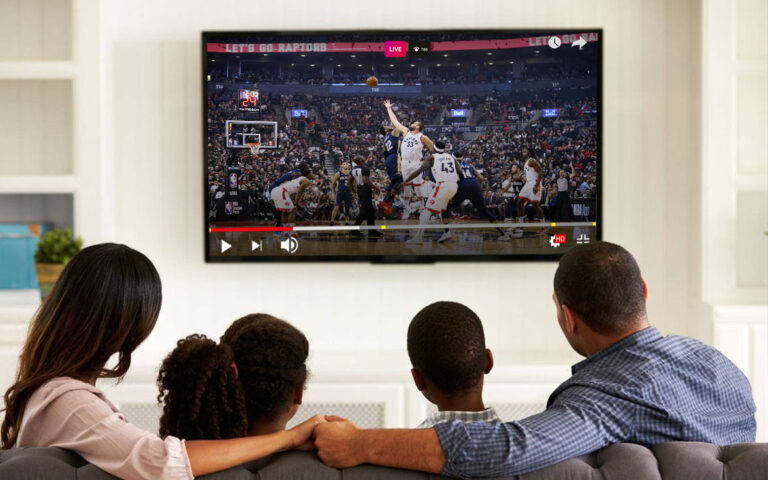
- Instant playback during live sports events
- Language options across international entertainment libraries
- Portable viewing during daily commuting hours
Why Smart Devices Changed Entertainment Expectations
Entertainment no longer belongs only inside crowded living rooms. Smartphones transformed viewing behavior across younger digital-focused audiences worldwide. Office workers stream documentaries during lunch breaks using wireless earbuds. Teenagers switch between gaming consoles and drama applications effortlessly. Screen flexibility matters because lifestyles changed beyond fixed household schedules.
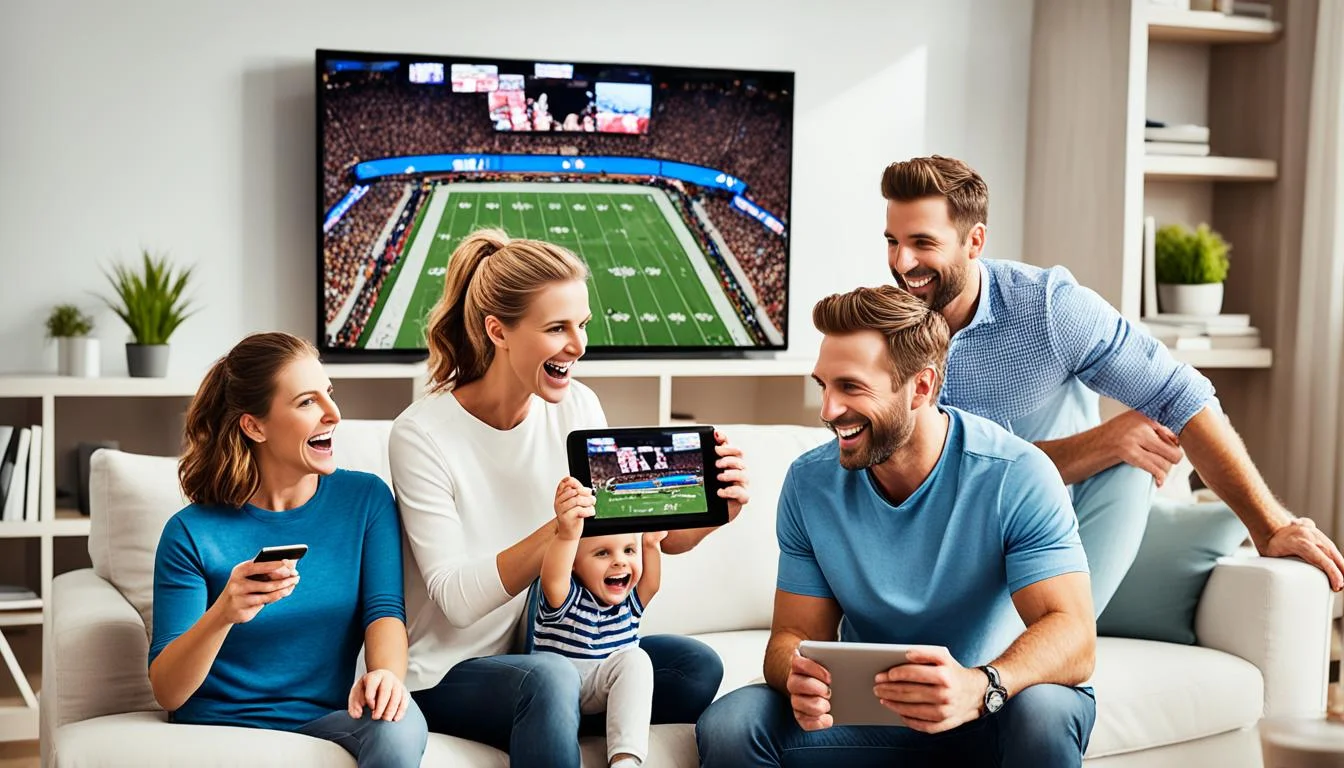
Older television systems restricted movement between devices and physical locations. IPTV services remove hardware dependence through internet-connected streaming applications. Fire TV devices, Android televisions, and tablets integrate smoothly together. That compatibility creates uninterrupted access despite different operating systems.
Can IPTV Improve Streaming Quality Consistently?
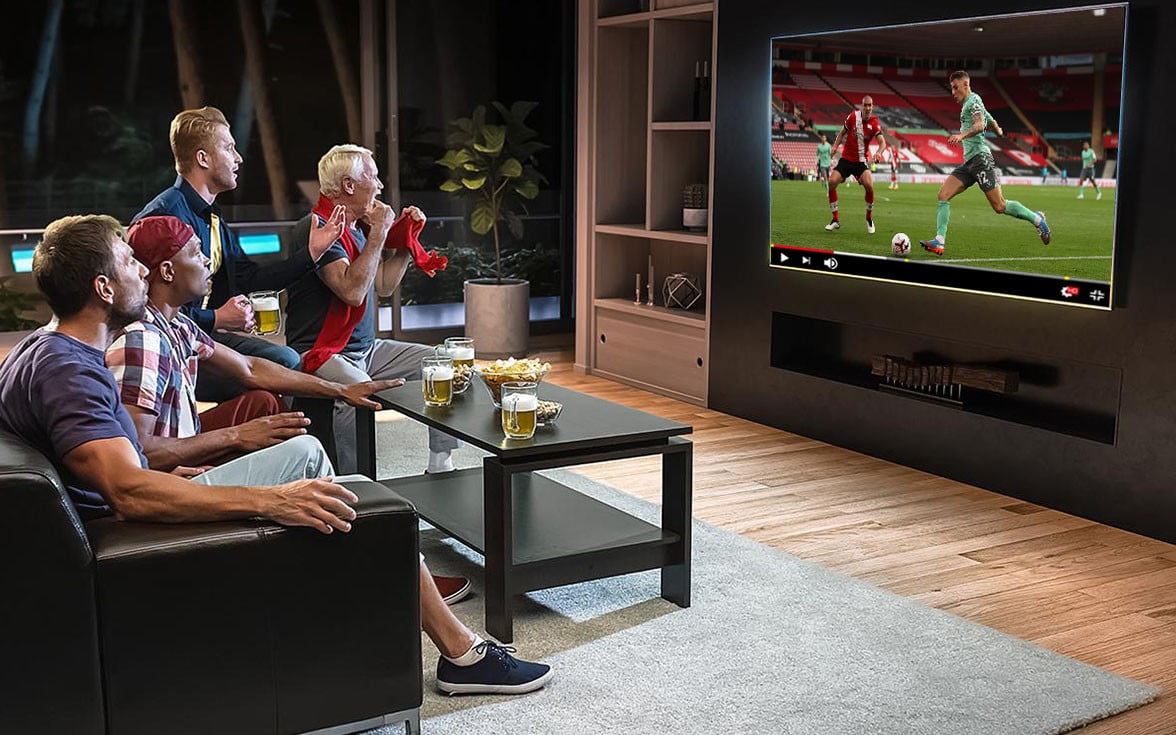
Internet speed directly shapes picture clarity and playback stability today. Fiber connections deliver smoother 4K broadcasts without buffering interruptions. Weak networks reduce sharpness during high-motion sporting event coverage. Still, adaptive bitrate technology adjusts streams before playback fails.
An IPTV FULL GUIDE explains bandwidth management across crowded household connections. Evening traffic affects performance when multiple family members stream simultaneously. Modern routers balance device traffic through dual-band wireless signal distribution. Ethernet connections also strengthen reliability for larger ultra-high-definition television displays.
Key technical advantages include:
- Faster channel switching between live programs
- Reduced signal interference during rainfall periods
- Better compression across high-resolution movie streams
- Easier software updates through cloud infrastructure
Content Libraries Expand Beyond Regional Broadcasting
Viewers once relied heavily upon local network programming every evening. IPTV changed access through broader international entertainment catalog availability. Korean dramas, European football, and anime reach global audiences instantly. Smaller creators now distribute niche productions without expensive broadcasting agreements.
That shift benefits multilingual households seeking diverse cultural programming choices. Children watch educational channels while grandparents access regional-language broadcasts nearby. Personalized recommendation engines also refine selections through viewing behavior patterns. Cable providers rarely matched that customized entertainment discovery experience.
What Keeps IPTV Relevant Across Modern Homes?
Convenience alone cannot explain IPTV’s expanding household adoption rates. Lower infrastructure expenses attract providers entering competitive streaming entertainment markets. Cloud servers distribute updates across millions of connected devices worldwide. Security upgrades also protect subscriptions against piracy and unauthorized account sharing.
Consumers notice another practical advantage during unpredictable relocation periods. Satellite dishes require installations, while IPTV applications activate through account logins. Renters appreciate avoiding drilling work across apartment building exteriors. That flexibility aligns closely with changing urban housing preferences.
Modern Entertainment Feels More Flexible
A commuter watching football through wireless earbuds illustrates IPTV’s real impact. Entertainment escaped fixed living-room schedules and expensive installation requirements. That transformation reaches beyond convenience because viewing behavior itself changed. Smart televisions, tablets, and mobile applications now share equal entertainment importance.