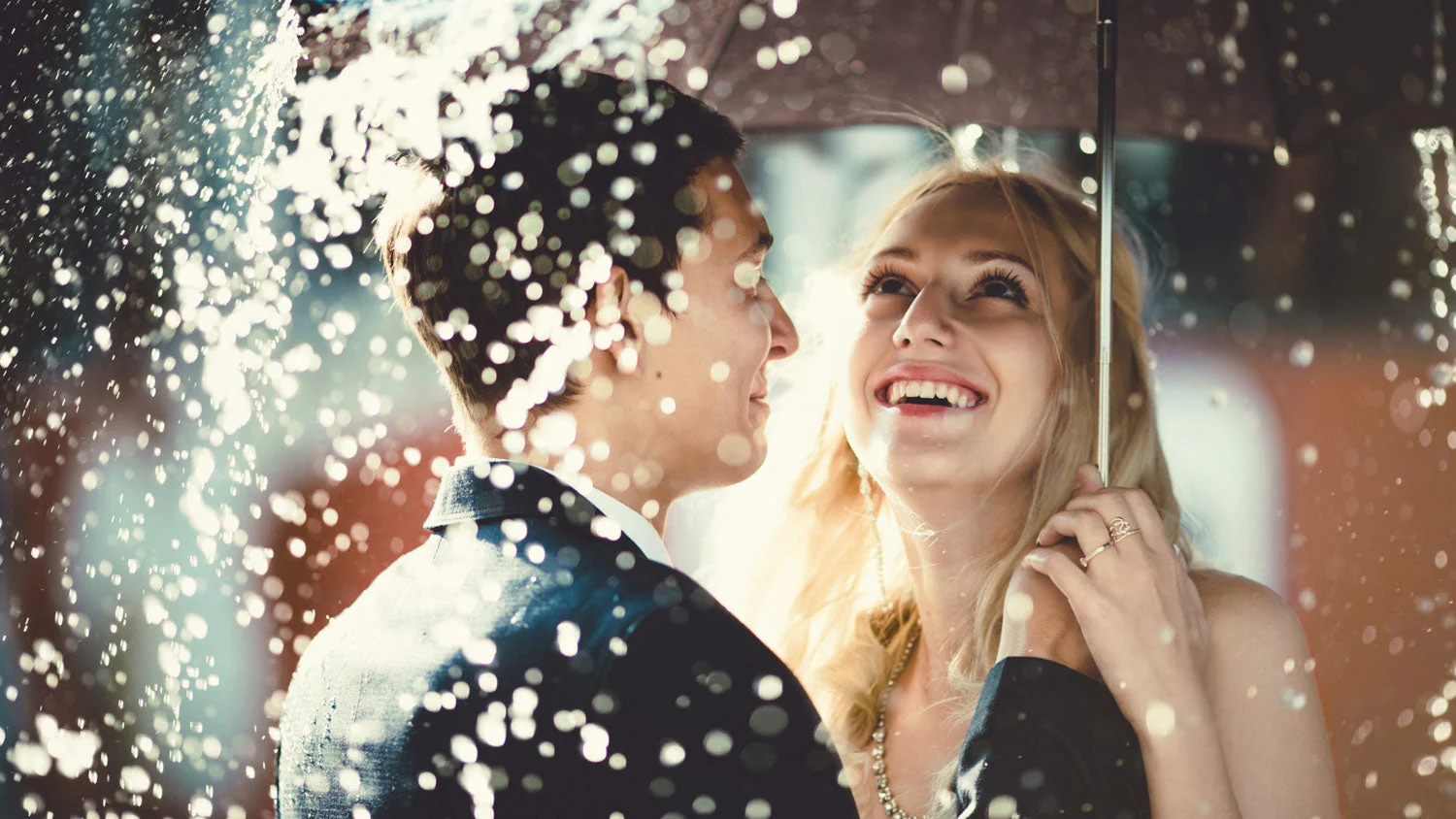
Mastering Portrait Photography: Techniques for Capturing Emotion, Personality, and Authenticity
Portrait photography is one of the most rewarding and challenging genres in the craft. It’s not just about taking a picture of someone’s face — it’s about capturing a story, a personality, and a moment that feels genuine. A successful portrait makes viewers feel connected to the subject, even if they’ve never met them. It reveals something deeper, something human.
Many professional creators, including studios such as Noan Photography, emphasize that great portrait work is built on three pillars: connection, lighting, and composition. When these elements come together with intention, the result is an image that resonates far beyond the technical details.
The Importance of Connection in Portrait Photography
Before adjusting your camera settings or setting up your lights, the most important step in portrait photography is connecting with your subject. People often feel nervous or awkward in front of a camera. Your job is to make them comfortable enough to let their real personality show.
Here are a few ways to build connection:
1. Start with conversation
Ask open-ended questions. Talk about their story, their hobbies, or why they want the portrait. Humans open up when they feel seen.
2. Give gentle direction
Most people don’t know how to pose naturally. Guide them without being overly technical. Use prompts like:
- “Take a deep breath.”
- “Look over your shoulder.”
- “Think about something that makes you laugh.”
These prompts create expressions that feel authentic rather than staged.

3. Observe body language
Small adjustments make a big difference — a shift in shoulders, a tilt of the head, softer hands, or relaxed posture.
Building trust leads to better portraits than expensive equipment ever could.
Mastering Lighting in Portrait Photography
Light shapes the mood, depth, and emotion of a portrait. Whether using natural or artificial light, you need to understand how to control it.
1. Soft, Natural Light
Soft light is flattering because it reduces harsh shadows and highlights skin gently. You can find soft light in:
- Open shade
- Window light
- Cloudy days
- Golden hour
A simple reflector can brighten the face and add catchlights to the eyes.
2. Hard Light
Hard light is dramatic and bold, ideal for artistic portraits. Midday sun, a bare bulb, or a spotlight can create:
- Strong shadows
- High contrast
- Defined jawlines
- Studio-style drama
Use hard light intentionally to convey intensity or strength.
3. Backlighting
Backlighting creates a warm glow around the subject. It’s popular for romantic or dreamy portraits. You can enhance backlight with:
- Lens flares
- Rim lighting
- Silhouettes
- Translucent fabrics
Expose carefully to avoid blowing out highlights.
4. Studio Lighting Techniques
Studio lighting gives you full control and repeatable results. The most common portrait setups include:
- Rembrandt lighting: triangle of light under one eye
- Butterfly lighting: beauty-style lighting from above
- Loop lighting: soft shadow next to the nose
- Split lighting: dramatic half-lit, half-shadow effect
Mastering these techniques helps you adapt to any style or mood.
Understanding Composition in Portrait Photography
Composition guides how viewers experience your portrait. Good composition is subtle but powerful.
1. Rule of Thirds
Place the subject’s eyes along the upper third line for natural balance.
2. Leading Lines
Use staircases, fences, or architecture to direct the viewer’s attention to the subject.
3. Framing
Frame the portrait with:
- Doorways
- Trees
- Windows
- Hands
- Clothing
This adds depth and focus.
4. Depth of Field
A shallow depth of field (wide aperture like f/1.8) isolates the subject with creamy background blur (bokeh).
A deeper depth of field is better for environmental portraits where surroundings matter.
5. Negative Space
Leaving open space creates breathing room and emotional weight.
Minimalist portraits feel peaceful, modern, and intentional.
Working with Different Types of Portraits
Portrait photography isn’t one-size-fits-all. Different categories require different approaches.
1. Traditional Portraits
Formal posing, controlled lighting, and timeless expressions. Ideal for corporate and family sessions.
2. Lifestyle Portraits
Natural, relaxed, storytelling images taken in real environments like homes, cafés, or outdoor locations. Great for couples, families, or personal branding.
3. Environmental Portraits
Subjects photographed in meaningful spaces:
- Artists in studios
- Chefs in kitchens
- Athletes on fields
These portraits blend character with context.
4. Creative and Conceptual Portraits
These include props, dramatic lighting, costumes, or surreal editing. Perfect for magazine-style or artistic work.
Editing Portraits with Intention
Editing is the final step in shaping your portrait’s mood. The goal is enhancement, not transformation.
Key tips:
- Retouch skin naturally
- Keep eyes sharp
- Maintain realistic colors
- Lightly adjust contrast and highlights
- Avoid over-smoothing
Great editing preserves individuality.
Final Thoughts
Portrait photography is a beautiful blend of art, empathy, and technique. It requires patience, observation, and the ability to make your subject feel seen. When connection, lighting, and composition come together, portraits become more than photographs — they become emotional experiences.
Master the craft, experiment often, and focus on storytelling. Your portraits will become powerful, memorable, and deeply human.